




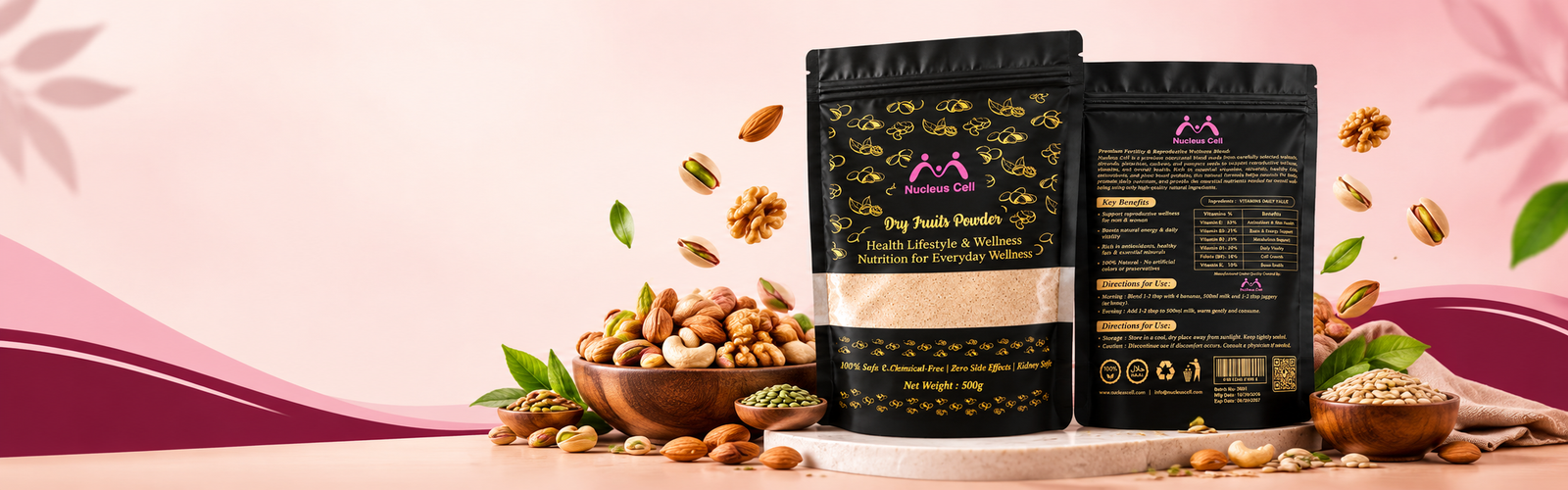
Starting a family is one of the most exciting chapters in life, and it is also one of the most important times to look after your body. While no single food can guarantee a pregnancy, the daily choices you make at the dining table do matter. Couples who eat well, stay active and manage stress give their bodies the best possible foundation.
One of the simplest, most natural habits you can build is adding a handful of nuts and seeds to your day. In this guide, we explain why they deserve a place in your routine, what each one offers, and how to enjoy them without any fuss.
Why Nutrition Matters on the Journey to Parenthood
Both partners play a role. Healthy eating supports energy levels, hormone balance, and overall wellbeing for women and men alike. Research on diet and reproductive health consistently points to the same big picture: a diet rich in whole foods, healthy fats, vitamins and minerals is linked with better general health, which is the base everything else is built on.
Nuts and seeds are popular for good reason. They are dense in nutrients, easy to store, need no cooking, and fit into almost any meal or snack.
The Power of Five: What Each Nut and Seed Brings
1. Walnuts
Walnuts are one of the best plant sources of omega-3 fatty acids (ALA), a type of healthy fat the body needs but cannot make on its own. They also contain antioxidants and vitamin E. Some studies have looked at regular walnut intake and sperm quality in healthy men, which is why walnuts often appear in conversations about male fertility nutrition.
2. Almonds
Almonds are rich in vitamin E, magnesium and fibre. Vitamin E is an antioxidant that helps protect cells from everyday oxidative stress, and magnesium supports muscles, nerves and energy production.
3. Pistachios
Pistachios provide vitamin B6, potassium, protein and plant antioxidants. They are also a satisfying snack, which makes it easier to avoid processed, sugary options between meals.
4. Cashews
Cashews are a good source of zinc, copper and magnesium. Zinc in particular is a mineral involved in normal reproductive function and cell growth, so getting enough of it through food is a smart habit for both partners.
5. Pumpkin Seeds
Small but mighty, pumpkin seeds are among the richest food sources of zinc and magnesium. They also provide iron and healthy fats, and their mild, nutty flavour works in almost any dish.
How to Add Them to Your Day
You do not need a complicated plan. A small, steady habit works better than a big, short-lived one.
- Start with a small handful. About 30 grams a day is a common serving size for nuts and seeds.
- Make it a morning habit. Add them to oats, yogurt or a fruit bowl, or simply eat them with your tea.
- Choose them plain. Raw or dry-roasted without added salt, sugar or flavouring keeps things clean.
- Pair with fruit and vegetables. Variety is the secret. Nuts and seeds work best alongside a colourful, balanced plate.
- Store them well. Keep them in an airtight container in a cool, dry place so the natural oils stay fresh.
Healthy Habits That Work Alongside Good Nutrition
Food is only one part of the picture. These everyday habits support your body just as much:
- Drink enough water through the day.
- Stay physically active with regular walking or light exercise.
- Get consistent, good-quality sleep.
- Reduce stress with rest, prayer, time outdoors or time with loved ones.
- Avoid smoking and limit processed, sugary and fried foods.
An Honest Word: What Nuts and Seeds Can and Cannot Do
Nuts and seeds are a nutritious addition to your diet. They are not a medicine, and they are not a substitute for medical care. Every couple’s situation is different, and many factors affect fertility. If you have been trying to conceive for some time, or if you have any health concern, please speak to a qualified doctor who can guide you properly.
A few more things to keep in mind:
- Allergies: Tree nut and seed allergies can be serious. Do not eat them if you or your partner are allergic.
- Medical conditions: If you have kidney, digestive or other health conditions, ask your doctor how much is right for you.
- Portion size: Nuts are healthy but energy-dense, so enjoy them in sensible amounts.
Frequently Asked Questions
How many nuts and seeds should I eat in a day?
A small handful, roughly 30 grams, is a widely used guideline for healthy adults. Your doctor or dietitian can give you advice tailored to your needs.
Can both partners eat them?
Yes. Nutrition matters for both partners, and sharing a healthy habit together makes it easier to stay consistent.
How long before I notice a difference?
Nutrition works gradually and differs from person to person. Think of nuts and seeds as a long-term lifestyle habit, not a quick fix.
Are mixed nuts and seeds better than a single type?
A mix gives you a wider range of nutrients, since each nut and seed has its own strengths. That is why a blend of walnuts, almonds, pistachios, cashews and pumpkin seeds is such a popular choice.
Natural Strength, Made Simple
At Nucleus Cell, we bring together premium walnuts, almonds, pistachios, cashews and pumpkin seeds in one pure blend, so adding good nutrition to your day is easy and convenient. We believe in simple, natural ingredients and in supporting couples with honest information every step of the way.
Explore our blend in the shop or contact our team if you have any questions. We are always happy to help.
This article is for general information only and is not medical advice. Please consult a qualified healthcare professional about your personal health and fertility.